

iLearn24x7
Delivering innovative IT strategies for real-world impact.
Experience a free demo session
Thank You!
Your details have been submitted successfully.

AI / Machine Learning
This beginner-friendly course introduces you to the core concepts of AI and Machine Learning in a simple, practical way. Learn how machines learn from data, explore key ML types, and understand model-building basics without heavy math. With hands-on exercises and real examples, you’ll quickly build a strong foundation and be ready to move into more advanced AI/ML topics.

QA (Software Testing)
QA (Software Testing) focuses on ensuring software quality, reliability, and performance before it reaches users. This beginner-friendly course introduces core testing concepts, tools, and methodologies through practical examples. You will learn how to identify bugs, validate requirements, and ensure smooth user experiences in real-world applications.

Full Stack Development
Start your journey into web development with this beginner-friendly full stack course. Learn how to build websites from scratch using core front-end and back-end technologies. Understand how pages are designed, styled, made interactive, and connected to servers and databases. With simple, hands-on practice, you'll gain the foundational skills needed to create functional web applications and move toward advanced full stack development.
Python
Python is a beginner-friendly programming language known for its simplicity and versatility. This course helps you understand fundamental programming concepts through clear explanations and hands-on examples. By the end, you will be confident in writing basic Python programs and ready to explore advanced applications.

HR Management
The HR Management Training Program, helps participants leverage artificial intelligence to streamline processes while preparing them to address the complexities of today’s dynamic HR environment.

Digital Marketing
The Digital Marketing Training Program is thoughtfully developed to arm participants with the comprehensive skills needed for success in today’s digital world, using AI tools to improve marketing strategies and drive better results.

Graphic Designing
The Graphic Design Training Program empowers participants with the essential skills and creative techniques needed to excel in the design industry, integrating AI-driven tools to enhance design processes and creativity.

Linux & Hosting Management
The Linux & Hosting Management Training Program is crafted to provide participants with a solid foundation in Linux systems and efficient hosting management, incorporating AI tools to optimize system performance and management processes.
Technologies Trainings
Kickstart your web development journey with our tailored courses! Learn PHP to build dynamic web applications, master React for creating interactive user interfaces, and explore the MERN Stack—MongoDB, Express.js, React.js, and Node.js—for full-stack development. Perfect for beginners and those looking to elevate their skills!
Campus to Corporate
The transition from academic life to the corporate world can be both exciting and challenging. The Campus to Corporate program is designed to bridge this gap by equipping graduating students with the essential professional skills, practical knowledge, and confidence required to thrive in a corporate environment. Through focused training and real-world insights, this program prepares students to step into their careers with clarity, competence, and a strong foundation for long-term success.
Technologies Trainings
Kickstart your web development journey with our tailored courses! Learn PHP to build dynamic web applications, master React for creating interactive user interfaces, and explore the MERN Stack—MongoDB, Express.js, React.js, and Node.js—for full-stack development. Perfect for beginners and those looking to elevate their skills!
Technologies Trainings
Kickstart your web development journey with our tailored courses! Learn PHP to build dynamic web applications, master React for creating interactive user interfaces, and explore the MERN Stack—MongoDB, Express.js, React.js, and Node.js—for full-stack development. Perfect for beginners and those looking to elevate their skills!

Hands-On Live Project Training
Gain real industry exposure through live projects, practical training, and hands-on experience.
Best-in-Class Industrial Training
Industry-driven curriculum, expert mentors, and modern teaching methodology.
Recognized Certifications
Globally recognized certifications that give you a competitive edge in the job market.
100% Placement Assistance
Complete career support with interview preparation and job opportunities.

S. Pal Ahuja
S. Pal Ahuja (MCA & MBA) brings along 35+ years of unparalleled experience & expertise in the industry. He has led the IT department of a Japanese MNC and worked as Scientist with the Planning Commission, Government of India. Having delivered hundreds of international projects as a founder & Director (Projects) at PAL InfoCom Technologies (P) Ltd, his deep knowledge and hands-on experience can add immense value to your career.

Amtoj Singh
Amtoj Singh (MBA) is a seasoned professional with over 12 years of expertise in digital marketing. As a lead expert in the field, he has been instrumental in driving success by working with international clients on diverse projects.

Gurpreet Kaur
Gurpreet (B.Tech CSE) excels in talent acquisition, employee engagement, and strategic workforce planning, consistently aligning HR initiatives with organizational goals. Her expertise spans across developing policies, fostering positive workplace culture, and driving performance management systems.

Deepak Sharma
Deepak Sharma (MCA) brings over ten years of hands-on experience in PHP development and working with international clients on their projects. He specializes in Laravel, Moodle, and full-stack development, offering in-depth insights into building robust web applications.
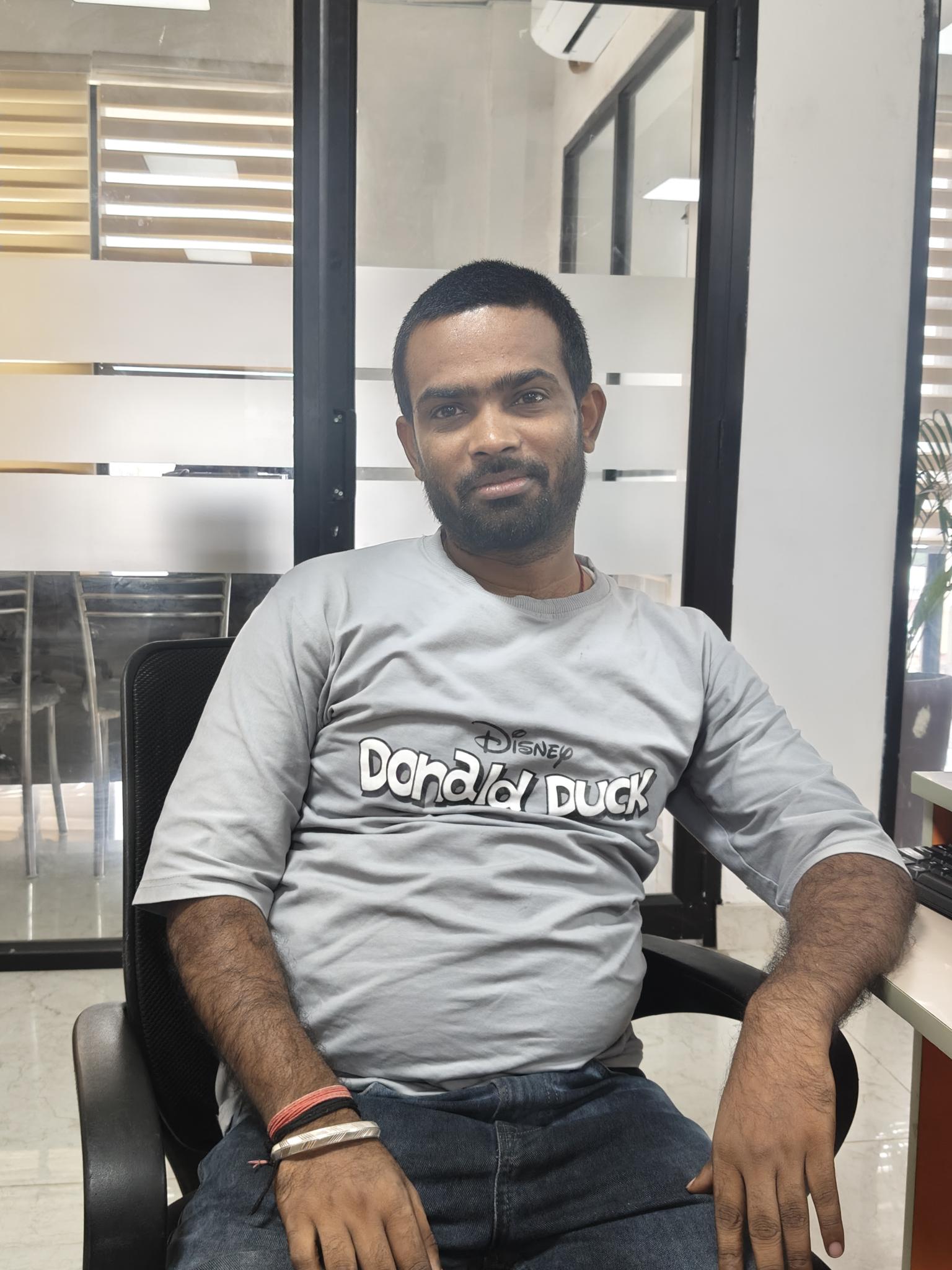
Amit Mahto
Amit Mahto is an experienced Full Stack Developer with over 9+ years of hands-on industry experience. He holds a B.Tech degree in Computer Science Engineering (CSE). With strong expertise across front-end and back-end technologies, he brings valuable practical insights into real-world application development.

Nitin Puri
Over 10 years of experience as a Quality Analyst across diverse IT domains, currently driving successful outcomes as a Project Delivery Manager.
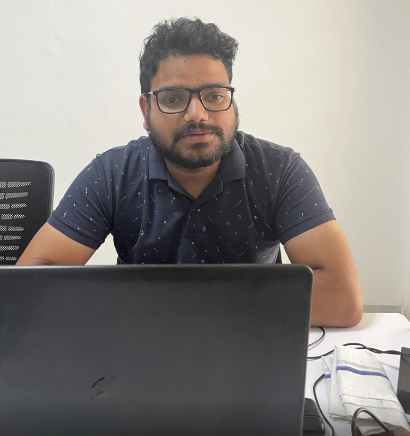
Akhil Dhasmana
Akhil Dhasmana (Graduate, holding certification in Digital marketing) brings a wealth of expertise in digital marketing, with a strong focus on creating innovative strategies that achieve measurable results.
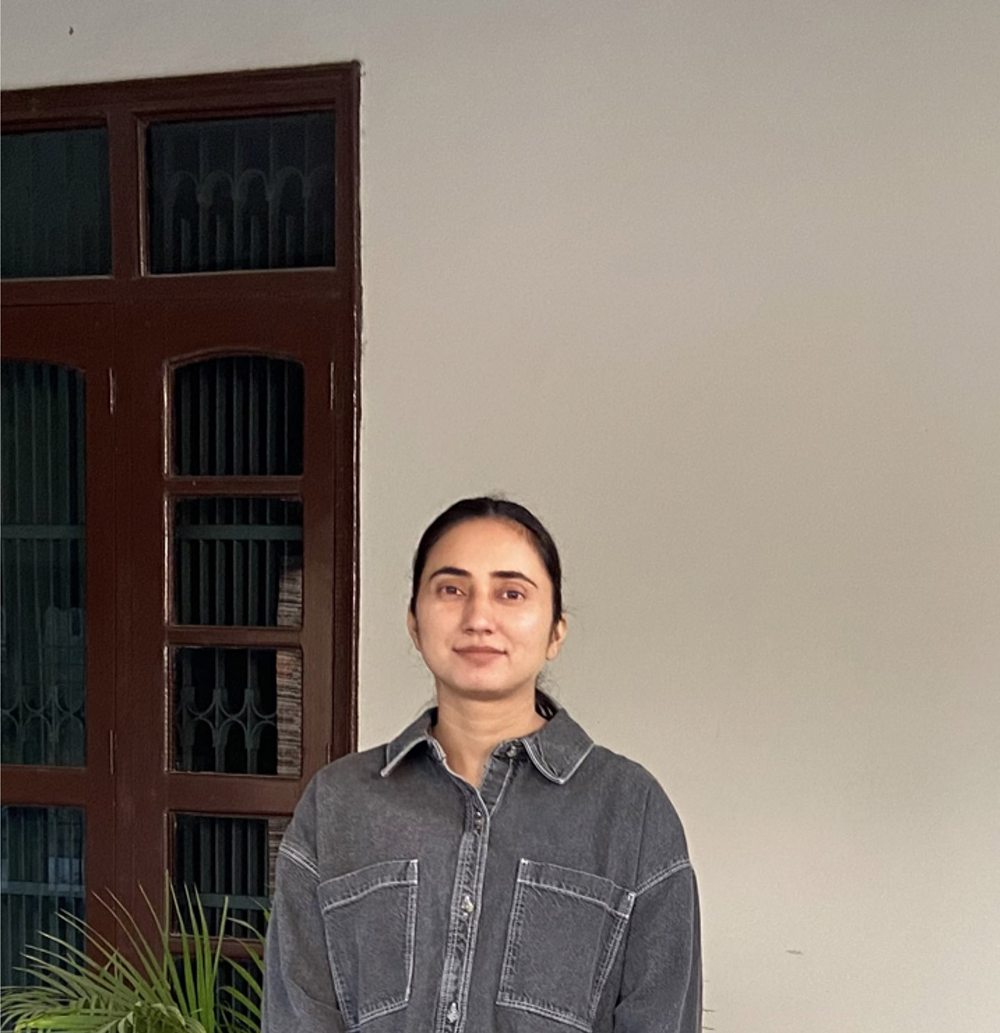
Mandeep Virk
Mandeep Virk (M.Tech Big Data) brings extensive experience in business analysis, specializing in aligning business needs and process optimization. Having worked with international clients, she expertly navigates global projects and delivers impactful results.
S. Pal Ahuja
S. Pal Ahuja (MCA & MBA) brings along 35+ years of unparalleled experience & expertise in the industry. He has led the IT department of a Japanese MNC and worked as Scientist with the Planning Commission, Government of India. Having delivered hundreds of international projects as a founder & Director (Projects) at PAL InfoCom Technologies (P) Ltd, his deep knowledge and hands-on experience can add immense value to your career.
Amtoj Singh
Amtoj Singh (MBA) is a seasoned professional with over 12 years of expertise in digital marketing. As a lead expert in the field, he has been instrumental in driving success by working with international clients on diverse projects.
Gurpreet Kaur
Gurpreet (B.Tech CSE) excels in talent acquisition, employee engagement, and strategic workforce planning, consistently aligning HR initiatives with organizational goals. Her expertise spans across developing policies, fostering positive workplace culture, and driving performance management systems.
Deepak Sharma
Deepak Sharma (MCA) brings over ten years of hands-on experience in PHP development and working with international clients on their projects. He specializes in Laravel, Moodle, and full-stack development, offering in-depth insights into building robust web applications.
Amit Mahto
Amit Mahto is an experienced Full Stack Developer with over 9+ years of hands-on industry experience. He holds a B.Tech degree in Computer Science Engineering (CSE). With strong expertise across front-end and back-end technologies, he brings valuable practical insights into real-world application development.
Nitin Puri
Over 10 years of experience as a Quality Analyst across diverse IT domains, currently driving successful outcomes as a Project Delivery Manager.
Akhil Dhasmana
Akhil Dhasmana (Graduate, holding certification in Digital marketing) brings a wealth of expertise in digital marketing, with a strong focus on creating innovative strategies that achieve measurable results.

Mandeep Virk
Mandeep Virk (M.Tech Big Data) brings extensive experience in business analysis, specializing in aligning business needs and process optimization. Having worked with international clients, she expertly navigates global projects and delivers impactful results.
Why Choose iLearn 24x7?
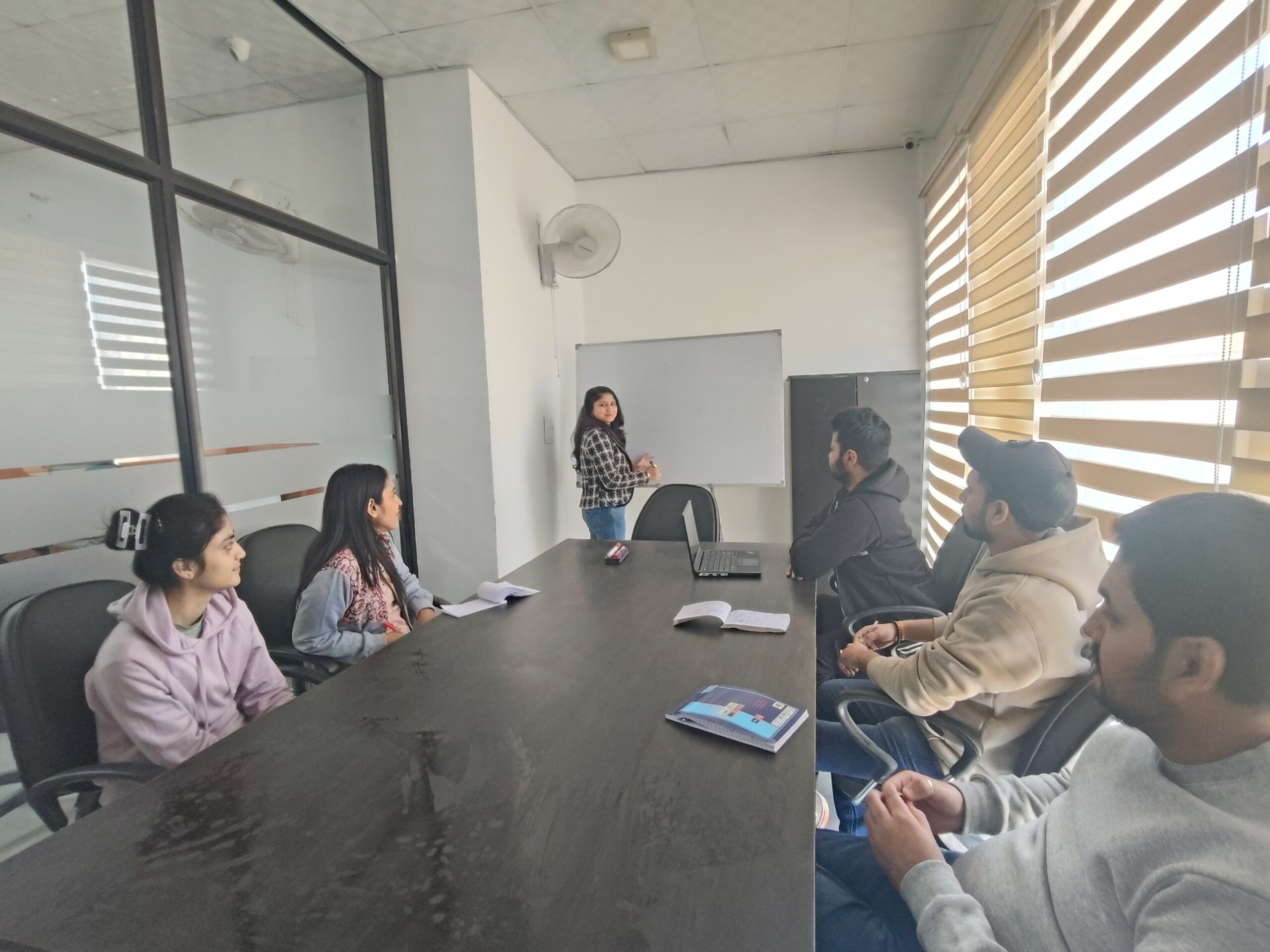
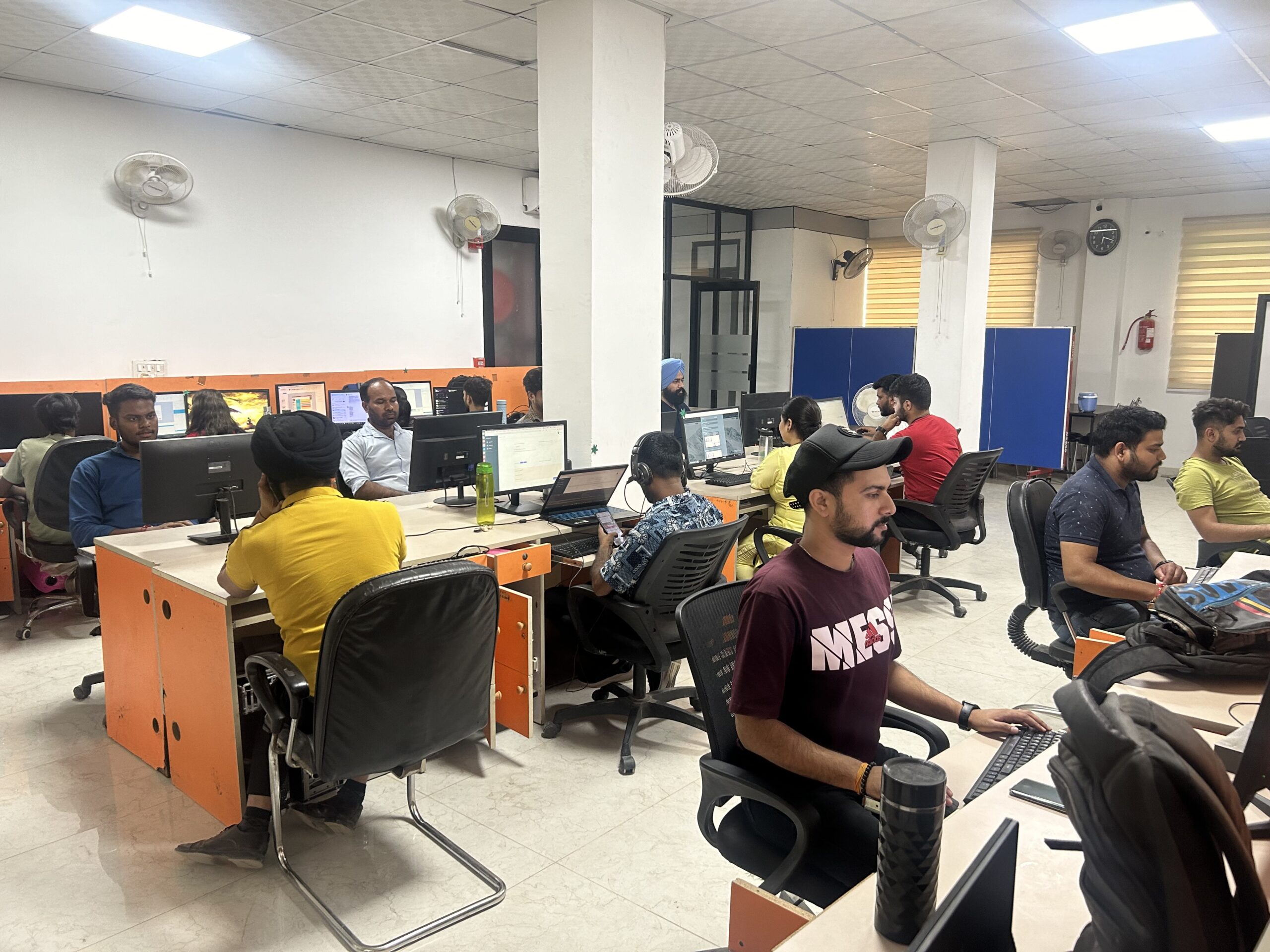
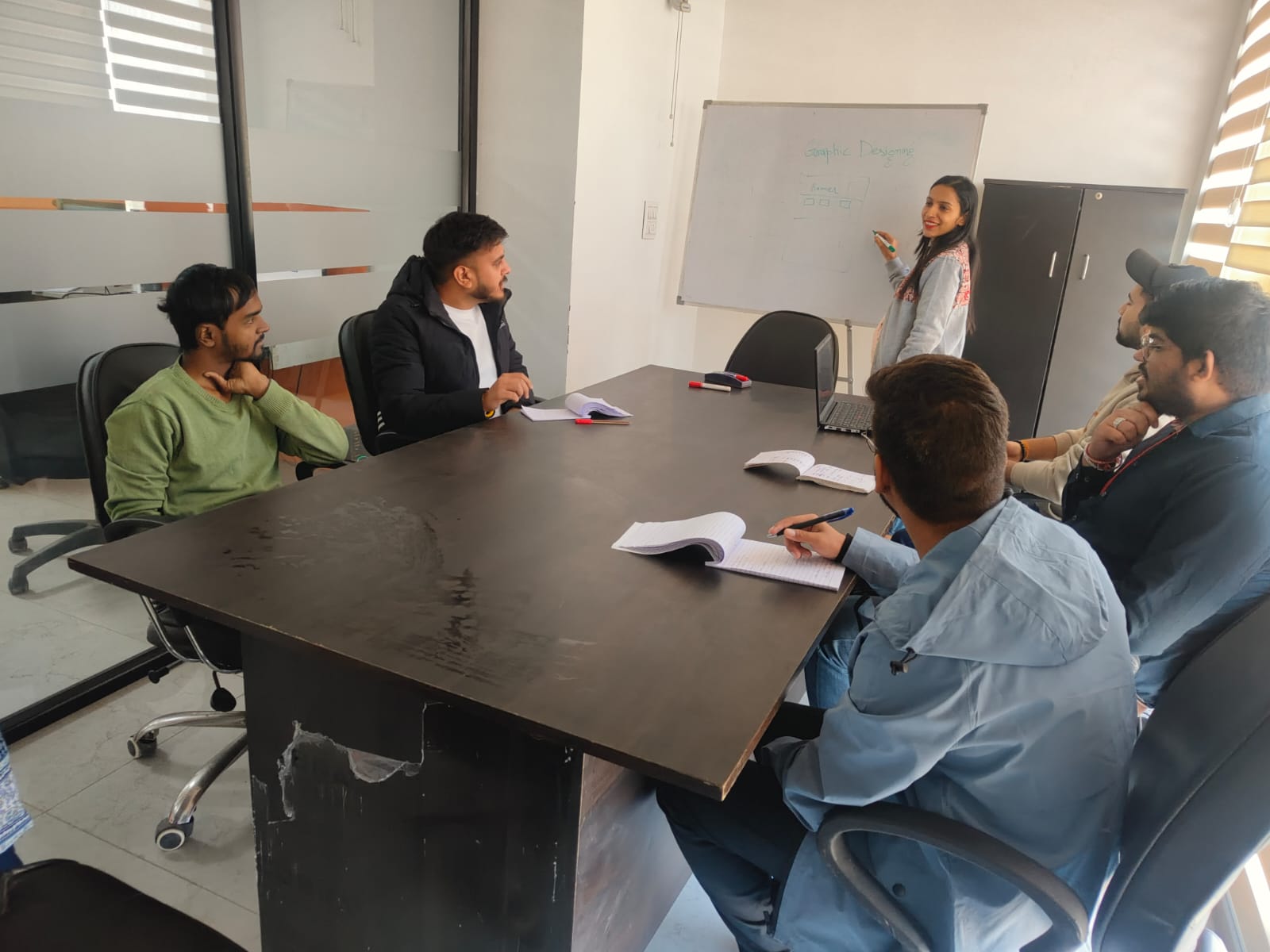
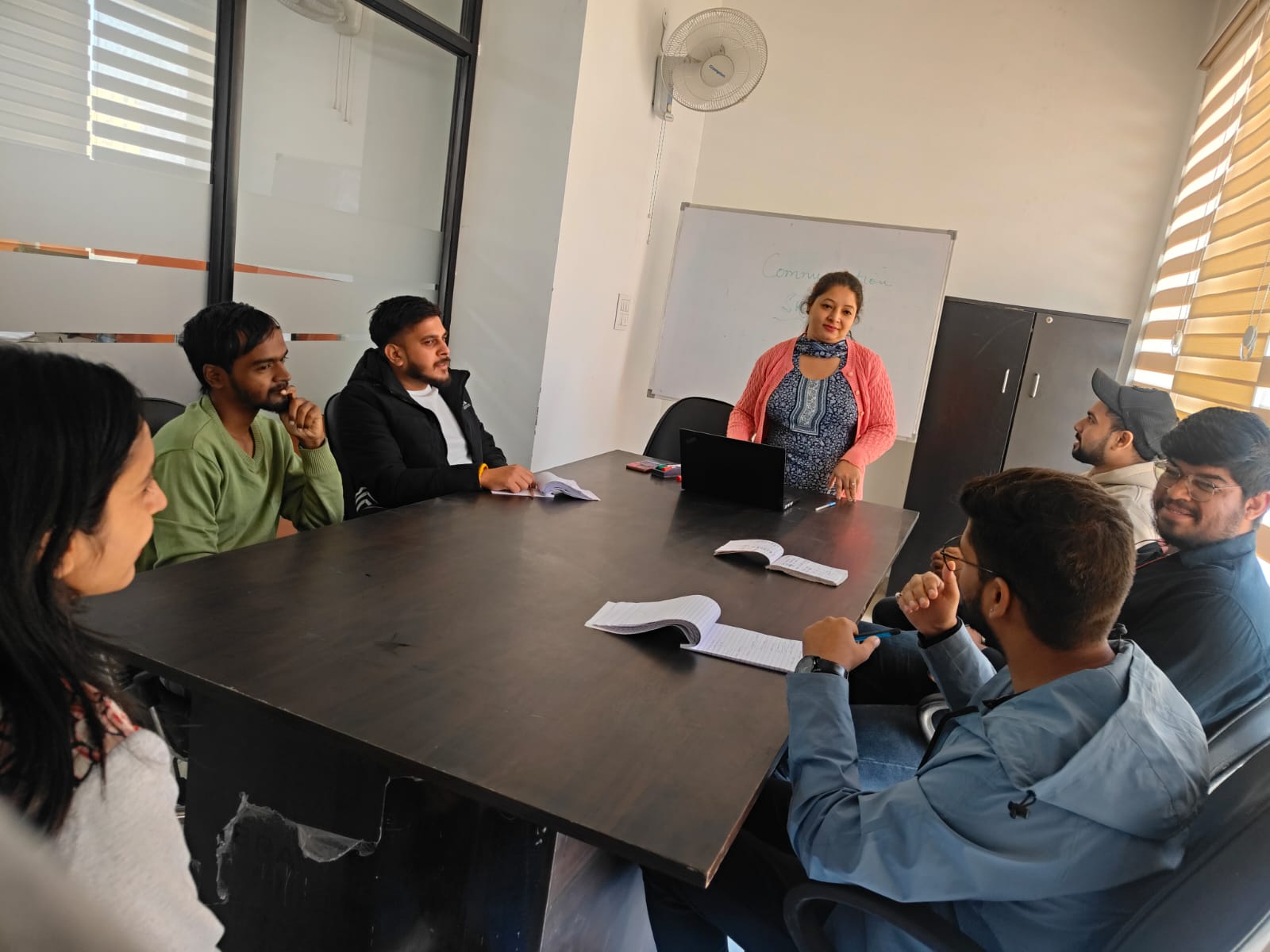
Backed by PAL InfoCom, iLearn 24x7 delivers expert-led programs, real-world projects, and career-focused training.
✓ Backed by PAL InfoCom’s Expertise
Leverages PAL InfoCom’s legacy in enterprise learning solutions, LMS development, Moodle customization, and digital training delivery.
✓ Industry-Aligned Curriculum
Courses are designed with input from industry experts, ensuring real-world relevance and job applicability.
✓ Hands-On, Project-Based Learning
Every learner completes assignments, real projects, and practical exercises that build confidence and job-ready skills.
✓ Experienced Trainers
Learn from professionals with 5–20 years of experience across IT, design, marketing, and development.
✓ Flexible Learning Modes
Choose from classroom training, live online classes, or blended learning—tailored to your schedule.
✓ Career-Focused Outcomes
Portfolio development, practical skills, interview preparation, and guidance to help learners stand out.




Student Testimonials
Thousands of students trust our training programs to build real careers
Karamjot
UI/UX DesignI really appreciated the clear explanation of UI/UX fundamentals and how design decisions impact user experience. The real-world examples and practical demonstrations made the concepts easier to understand.
Pankaj
QAI have joined QA training at PAL Infocom, and my experience has been very good so far. The environment is friendly and supportive, and the practical training helps me understand real project work. I am learning a lot about the QA process.

Rajveer
Digital MarketingI had a great learning experience at Pal Infocom. The training was practical and well-structured, and the trainers were supportive and knowledgeable. It helped improve my skills and confidence.
Vikas
Graphic DesignerI have completed my Graphic Design training from Palinfocom, and the experience was excellent. The training was practical, well-organized, and guided by experienced trainers. It helped me gain strong design skills and professional confidence. Highly recommended.
Vibhu
QAI am pursuing training at Pal Infocom Pvt. Ltd. in software testing and test automation. I work on automating web applications using Python and Selenium, writing test cases, and finding defects. This training has given me real project exposure and improved my problem-solving skill

Ankita
HRMy training is going well. I am learning HR related work and receiving proper guidance, which is helping me enhance my knowledge and skills as an HR Intern.

Amandeep
Digital MarketingI completed my Digital Marketing training at iLearn 24×7 by PalInfocom. It was a great and practical learning experience. I’m happy to share that I got placed at PalInfocom. Thanks to the trainers and team for their support.